
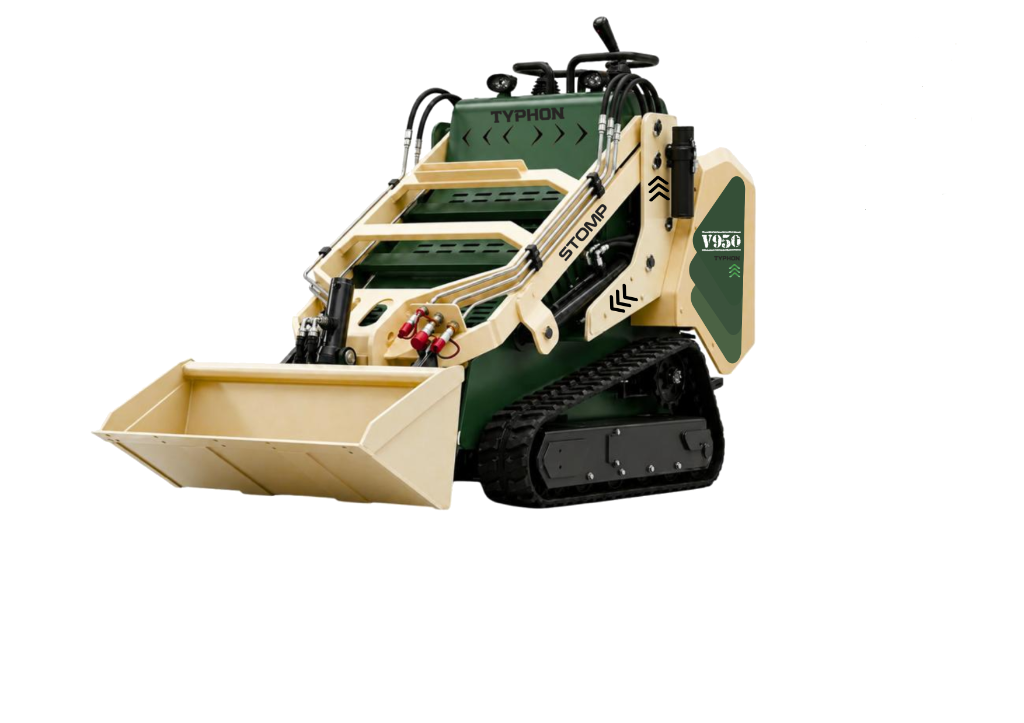
In modern compact construction equipment, hydraulic pilot controls are the neural pathways that dictate machine performance. Millimeter-level bucket control and optimal attachment feedback rely entirely on precise calibration of auxiliary proportional control valves and axial piston pumps.
For fleet managers and operators, understanding how to regulate hydraulic flow and pressure settings is crucial to maximizing breakout force while preventing premature component wear. This guide breaks down the technical details and step-by-step procedures for calibrating closed-loop hydraulic systems.
Understanding Closed-Loop Hydraulics and Proportional Control
Unlike open-loop systems where hydraulic fluid returns directly to the reservoir after passing through control valves, closed-loop systems route return lines directly back to the pump intake. This allows for rapid response times, higher power transfer efficiency, and superior control responsiveness.
Proportional pilot control valves regulate the hydraulic pilot signal. By varying the electrical current sent to these electromagnetic solenoids, the operator can govern the tilt angle of the axial piston pump's swashplate, directly matching the flow rates to the load demands.
Step-by-Step System Calibration Procedure
To calibrate your hydraulic operating pressure settings and auxiliary flow rates for attachments like breakers, augers, or grapples, follow these standard engineering steps:
- Prepare the Machine: Park the excavator on level ground, lower all attachments, and run the engine until the hydraulic oil temperature reaches its standard operating range of 120°F to 140°F (49°C to 60°C).
- Connect the Pressure Gauges: Install calibrated high-pressure test gauges (minimum 5,000 PSI rating) to the pilot test port and the main pump discharge port.
- Measure Baseline Pilot Pressure: Start the engine and measure the pilot circuit pressure at low idle. The standard pilot pressure should sit consistently between 450 and 600 PSI (31 to 41 Bar).
- Adjust Auxiliary Flow Rates: For standard mini excavator configurations, regulate the output GPM (Gallons Per Minute) between 8.0 GPM and 15.8 GPM depending on attachment requirements. Regulating within this window prevents thermal spikes and fluid cavitation.
- Calibrate Main Relief Valves: Gradually actuate the auxiliary circuit to full stroke. If the pressure exceeds 3,200 PSI (220 Bar) under stall conditions, adjust the main relief valve cartridge until the pressure conforms to factory limits.
Preventing Hydraulic Fluid Cavitation and Thermal Spikes
Improperly calibrated pilot valves or pumps can introduce air bubbles into the hydraulic stream (cavitation) or generate excessive heat (thermal spikes). Cavitation erodes the internal metallic surfaces of pumps and valves, leading to catastrophic system failure. Maintaining clean fluid, replacing filters, and calibrating relief pressures to strict specification parameters prevents these issues, ensuring your machinery delivers clean, uncompromised power profiles from day one.


COMMENTS (0)
LEAVE A REPLY